
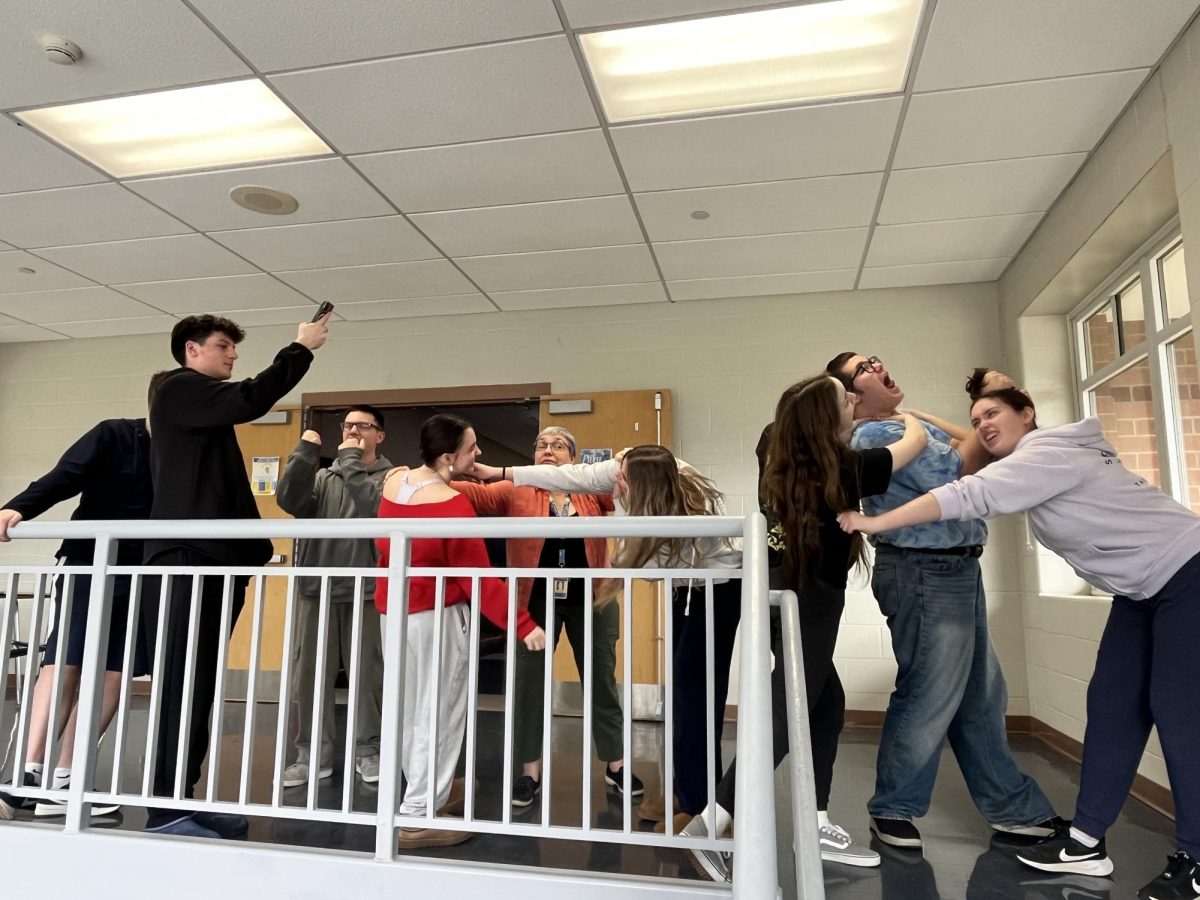

Here at IHS, learning American Sign Language is more than just memorizing signs; it’s about connecting to a culture, developing communication skills, and collaborating with others.
The ASL Honor Society recognizes students who thrive in American Sign Language and demonstrate leadership, dedication, and a passion for Deaf culture. It represents not only academic achievement but also promotes awareness and understanding of the Deaf community. According to ASL teacher Mrs. Meg Popa, “the point is communication, connection, and understanding. That’s what makes it so meaningful.” Members participate in activities such as volunteering, teaching ASL to younger kids, and engaging in the community.
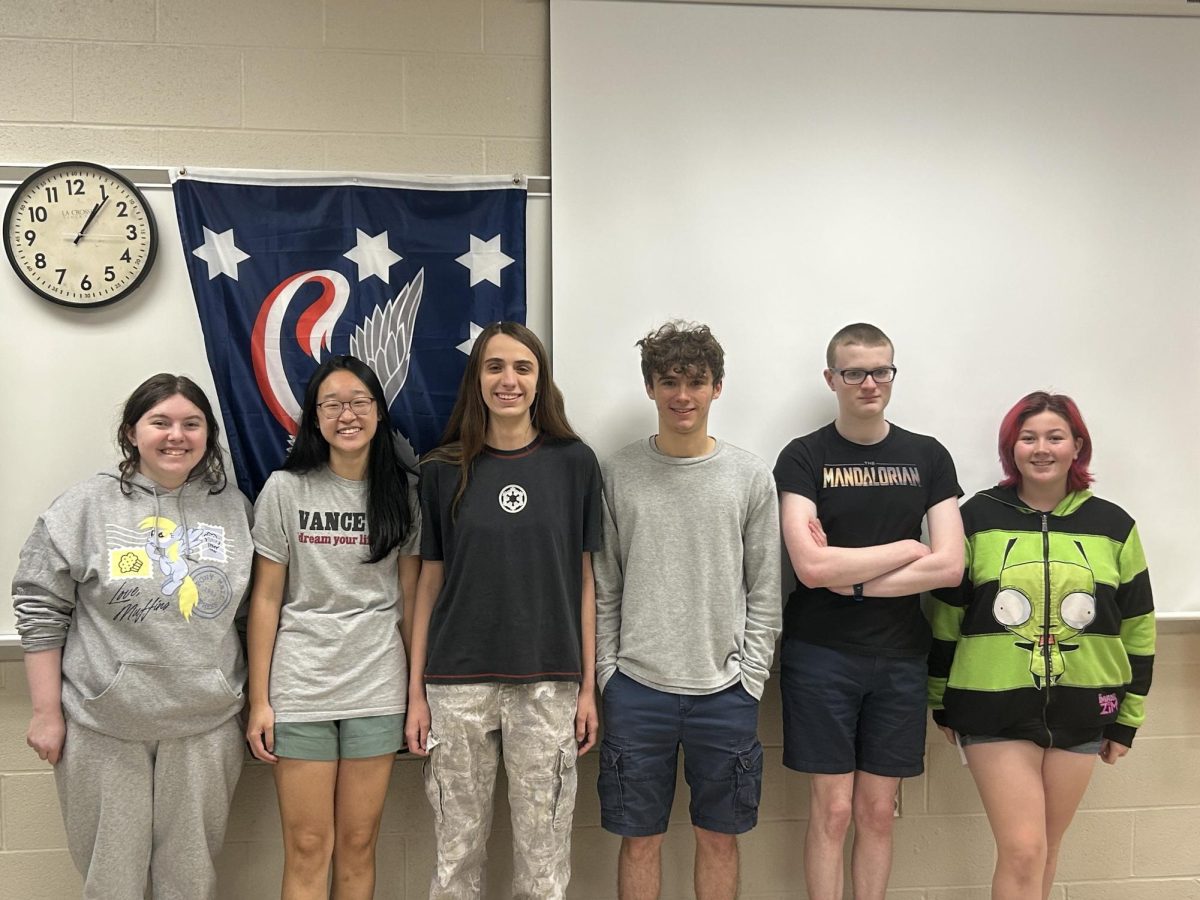
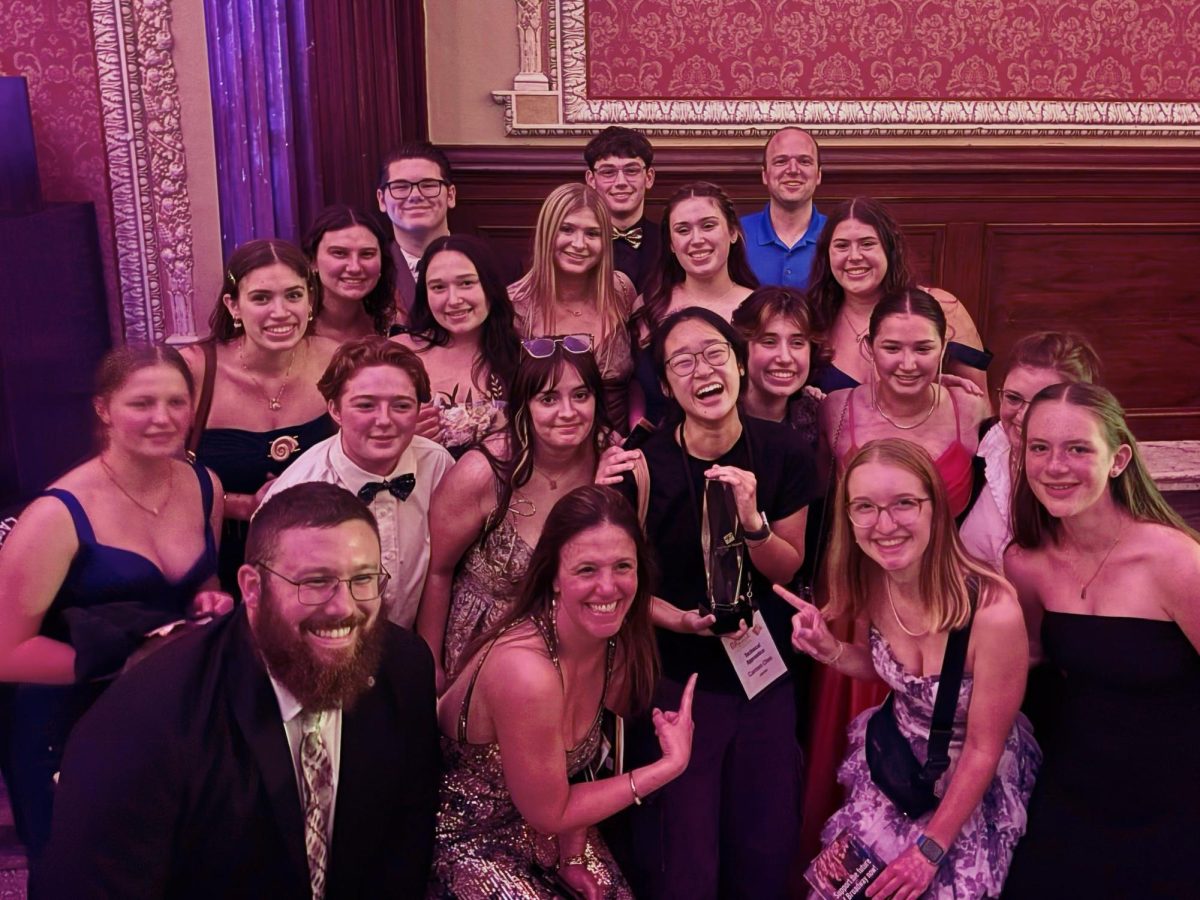
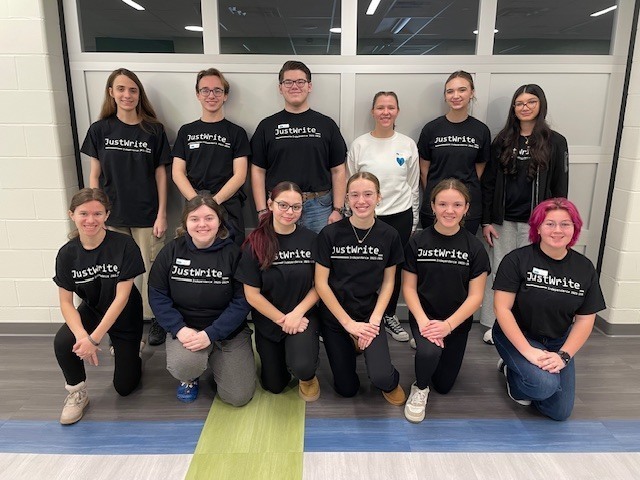
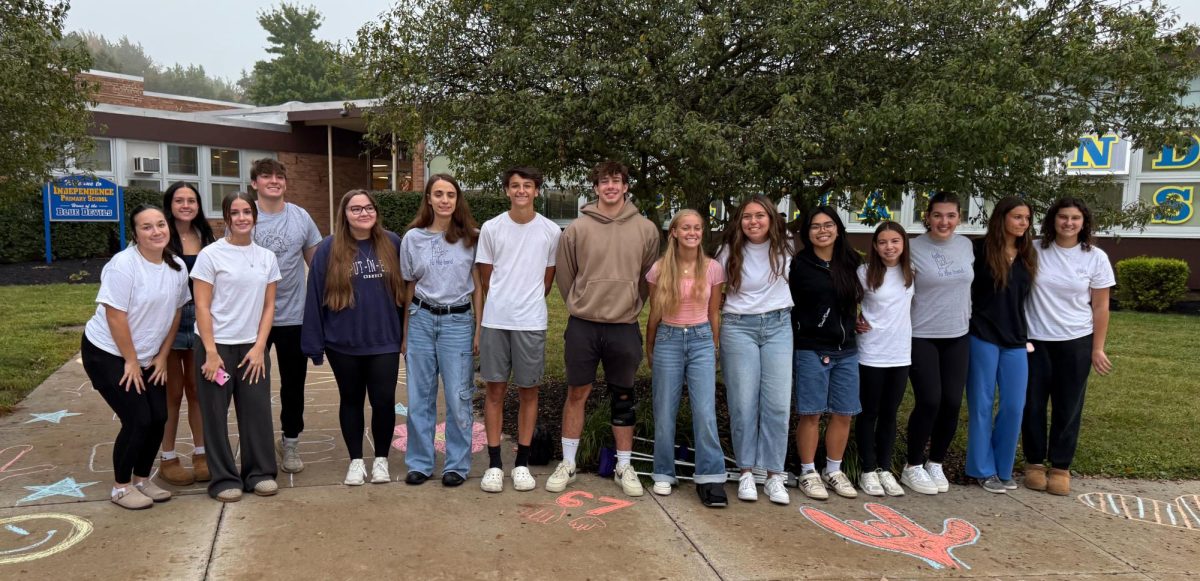
This year’s leadership team reflects that dedication. Senior Sonny Sears serves as president, Junior Penny Averre as vice president, Junior Noelle Kitagawa as treasurer, Junior Katie Ksiazka as secretary, and Senior Alex Waski leads media relations. Senior officers include Tatiana Randjelovic, MaryAnne Leroy, and Gianna Carlucci. Junior officers include Adriana Mastroianni and Kylie Hanobik. Together, along with the rest of the members, they will help guide the society in promoting awareness, volunteering, and supporting students learning ASL.
To become a member of the ASL Honor Society, students must be enrolled in ASL 3 or 4, maintain a strong GPA in both ASL and overall classes, complete an application and sign an Honor Society pledge. “If you meet the criteria, you get in,” Popa said. “It’s not selective by popularity; it’s selective by commitment and achievement,” she added.
Popa has a unique perspective on teaching ASL, as she started as a Deaf education teacher and later joined Independence’s program to work with students. “I loved teaching Deaf kids, but I really do like teaching ASL. I get to teach kids what I love, and I get to see them excited about something bigger than themselves,” she explained.
Popa emphasizes that ASL is a three-dimensional language, unlike other world languages. “You can’t just hand students a worksheet or picture—they need to see it, do it, and practice with someone else. Most Deaf people are often the only ones signing in their environment, so our students get the chance to communicate in meaningful ways,” she said.
Popa also highlighted the cultural lessons students learn. “American culture tends to be very individualistic, but Deaf culture is collaborative. Students help each other gain access and share information—not in a cheating way, but in a supportive, community way. My hope is that by the time students graduate from ASL 3 or 4 and join the Honor Society, they see that collaborative nature,” she shared.
For students, joining the society is both an achievement and a learning experience. Junior Emily Behm said, “I was so happy that I had a high enough GPA for both ASL and regular classes. Then I was just so excited to get in!” Behm said learning ASL is rewarding but challenging, especially when trying to understand fluent conversations. Her favorite sign is the “I love you” hand sign, which she calls “simple and meaningful.”
Senior officer MaryAnne Leroy said that being part of the ASL Honor Society has helped her grow in communication and teaching skills. “I feel like I’m interacting more with people using sign language, especially younger kids. I’ve also learned how to explain the signs and what they mean, and how they connect to the Deaf community,” she shared.
Junior officer Adriana Mastroianni reflected on her experience as well, “The most challenging part is remembering all the signs and all the different interpretations. My favorite sign is ‘lizard’ or ‘sea turtle.’” She encourages other students to join, saying simply, “Just do it!” Her goal is to become more consistent in signing and to sign more naturally in the future.
Senior Xavier Shumay said joining the society was exciting and helped him become more involved in ASL. He noted that the hardest part is switching from English to ASL grammar while interpreting. His favorite sign is “whale” because of the cool hand shapes and movement.
Shumay also shared a memorable experience using ASL outside of school. While at Seven Hills Homedays, he complimented a man on his shirt, and the man signed back that he was Deaf. They ended up having a conversation about bowling, including the man sharing his personal best score of 297! Shumay advises new ASL students to ask questions to build a strong foundation and hopes to continue learning until he can have conversations fluently.
Junior Ryan Suhy said he was “surprised by the difference in grammar compared to English.” His favorite sign is “enter,” and he notes that being part of the ASL Honor Society “looks good on a college application,” demonstrating the program’s impact beyond high school.
ASL National Honor Society leads students in signing, connecting, and making a difference, both in the classroom and the community.