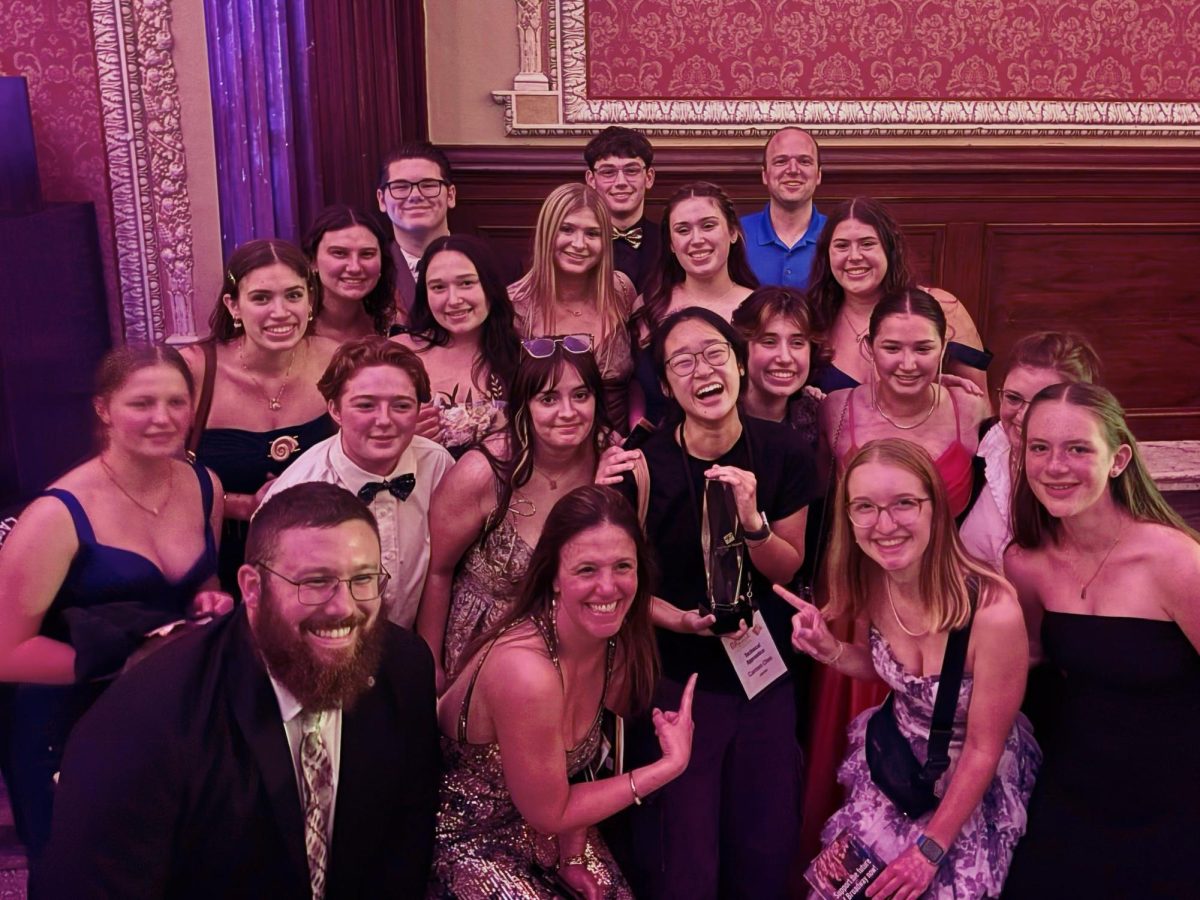


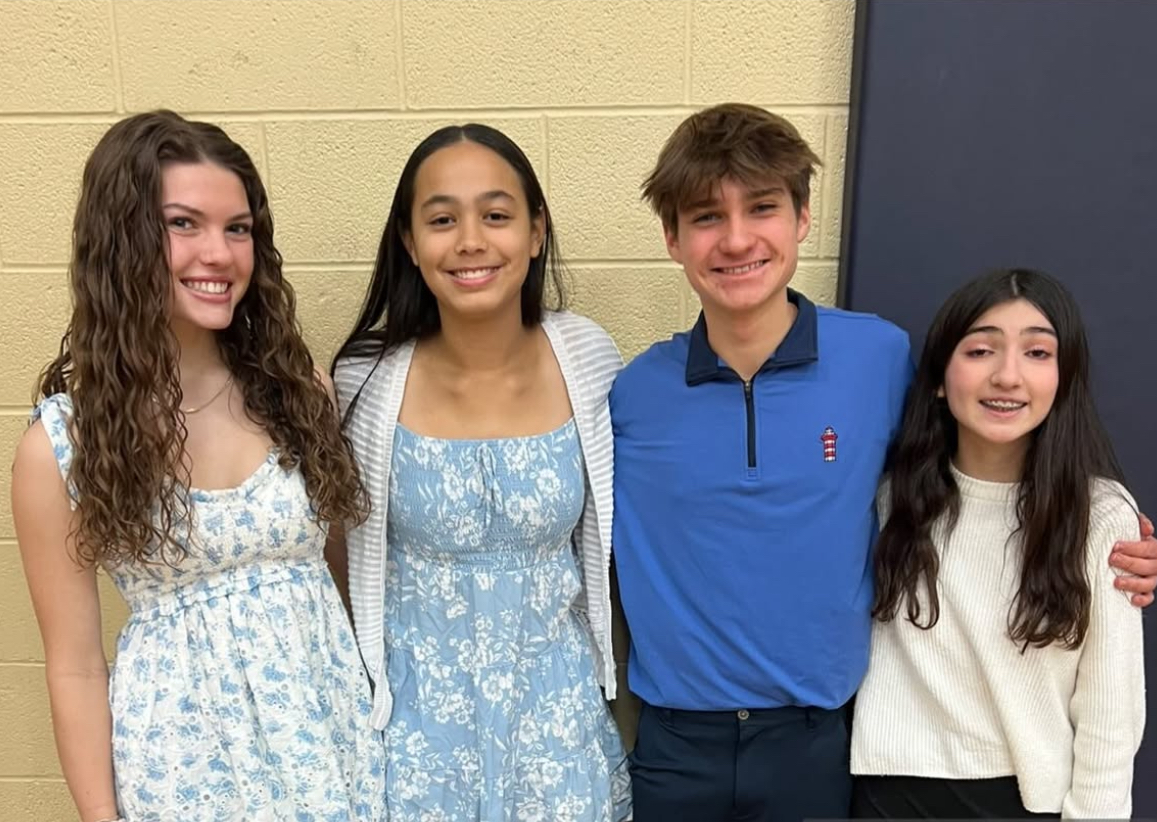
IHS vocal students recently took the spotlight at the Ohio Music Education Association (OMEA) Solo and Ensemble Contest, showing off months of preparation and talent, while balancing hardships along the way. Despite snow days, illnesses, and busy schedules, the singers earned impressive results and made an impression at the event.
OMEA gives students the chance to perform either solo or in small ensembles. Vocal teacher Gretchen Obrovac explained how students choose pieces based on their skill level and voice type.
“Students pick something that fits their ability but still challenges them,” Obrovac said. “Class A is the hardest, Class B is in the middle, and Class C is more beginner-friendly. If you nail a Class A, that’s amazing. But even in Class C, we expect a strong performance.”
Students prepare most of their music independently, though Obrovac checks in to provide guidance. This year, preparation came with extra challenges.
“With all the snow days we had, plus some students being out sick, finding rehearsal time wasn’t easy,” Obrovac said. “And with so many students involved in other activities, time was limited. But everyone pushed through, and I couldn’t be prouder of how they handled it.”
To help students build confidence before contest day, the choir hosted a recital in the school’s media center. Obrovac said performing in front of an audience, even just for family, helped students get a feel for the real stage.
“Doing it at the recital really sets them up,” she said. “They can see what they did well and what they need to improve. By the time Saturday comes, they’re more focused and ready to shine.”
This year, 33 students stepped onto the stage, with 27 performances earning the highest possible rating of 1 in Class A.
Obrovac highlighted how proud she was of every student, whether that be a first-time solo or an advanced ensemble. “Every person did something I cheered for,” she said. “Some students were performing a solo for the very first time. Some were in advanced ensembles I haven’t had in years. Even without me in the room, they handled it like pros.”
Junior Robby Kalman performed at the contest, singing “The Vagabond” by Ralph Vaughan Williams as a Class A selection. Kalman said the song itself “was not that difficult,” but scheduling made preparation more challenging. “I only got to work with Mrs. Obrovac once or twice before the actual performance,” Kalman explained. “My biggest issue is timing, and that’s not something you can easily learn on your own.” Despite the challenge, Kalman said he felt confident in his performance. “I think I sounded really good,” he said. Kalman described his overall OMEA experience as “fun,” adding that he enjoyed meeting performers from other schools and hopes to “get more rehearsal hours in” and practice more outside of class in the future.
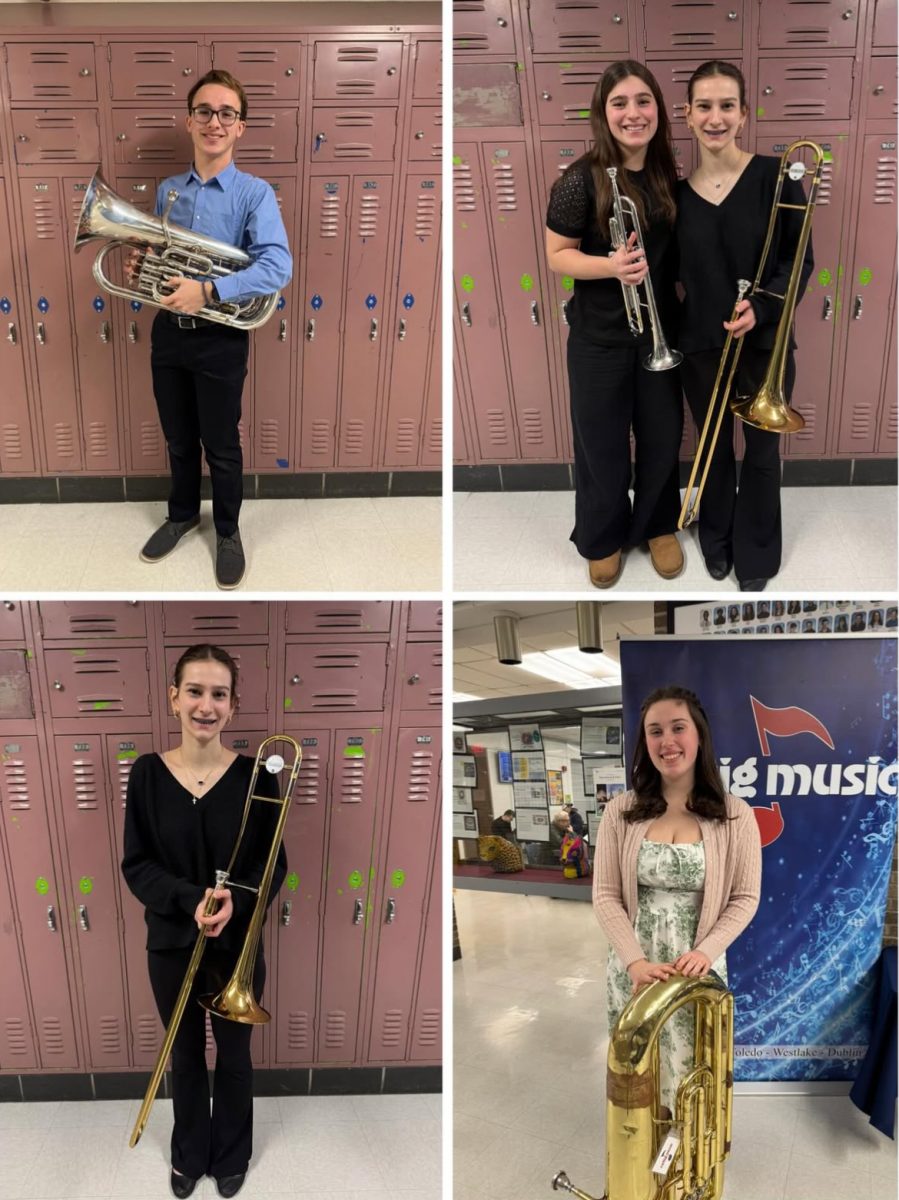
Senior Matthew Liepert performed “Sonatina” by Warner Hutchison on the euphonium as a Class A selection. Liepert earned the highest possible rating and said the result made his months of preparation feel rewarding. “Knowing that two solid months of practice paid off felt extremely satisfying,” Liepert said. He explained that his biggest challenge was performing while nervous. “The way I overcame it was by drinking a lot of water, which seemed to help,” he said. Liepert described his overall OMEA experience as “valuable,” saying that it helped improve his playing skills and showed him the importance of practicing enough to feel confident performing live.
Senior Madison Kerns participated in the chamber ensemble performance of “Homeward Bound” at the contest. Kerns said one of the biggest challenges was learning timing as a section without piano support. “A big challenge I faced was learning timing on our own as a section without the piano there to help us,” Kerns said. “We as sopranos aren’t that big of a section, so it didn’t take long for us to catch on.”
Kerns described waiting for the final scores as an “emotional rollercoaster,” adding that seeing the group earn a 1 made the moment even more rewarding. Kerns said her overall experience was exciting, explaining that she learned a lot, saw a new performance setting, and even reconnected with friends from her previous school. She advises future participants to “focus on what you can control” and do their best.
Obrovac also shared advice for students planning to compete in the future: advocate for yourself, pick music that challenges but doesn’t overwhelm you, and seek help when needed.
“If you need extra support or a recording of a part, ask for it,” she said. “Choosing music that stretches your ability but stays in range can make a big difference. And if you want to go further, getting a voice teacher outside of school can help you grow even more.”
The OMEA awards, regardless of being challenged this year, were a huge success! Students are just as eager to set the stage next year and show off the true dedication and excitement that the program will continue to provide them.